
Why Modern Juvenile Product Brands Are Prioritizing Integrated Manufacturing
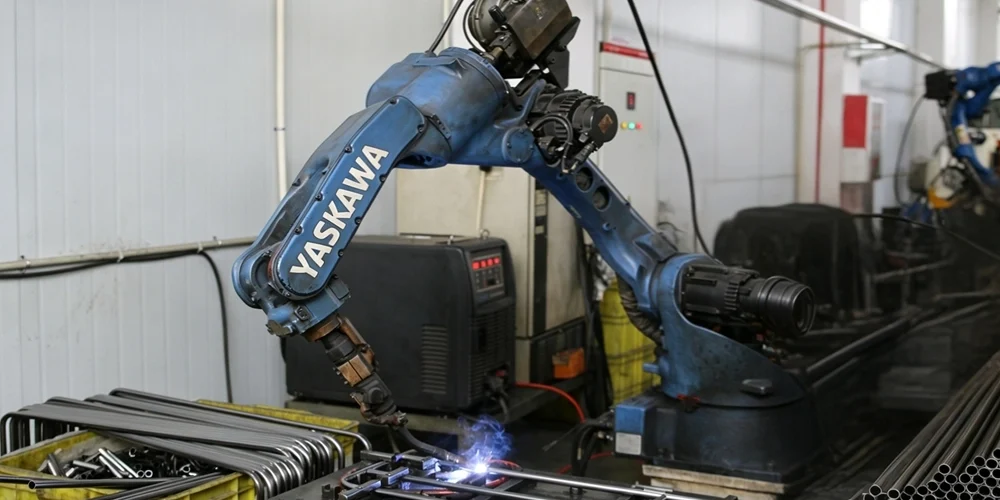
How production control, tooling integration, and supply chain consistency are reshaping OEM partnerships in the juvenile products industry.
In today’s juvenile products industry, manufacturing is no longer evaluated only by price. As product structures become more specialized and market expectations continue to rise, brands are placing greater emphasis on supply chain stability, production consistency, and long-term manufacturing reliability.
For products such as balance bikes, tricycles, diaper changing tables, and metal-frame family products, production involves far more than simple assembly. Structural precision, tooling consistency, welding accuracy, injection-molded part compatibility, and packaging efficiency all directly influence the final product experience.
As a result, many global brands are gradually shifting away from fragmented sourcing models and moving toward integrated manufacturing partnerships that provide greater production visibility and operational control.
Why Fragmented Supply Chains Create Instability
In traditional sourcing models, metal fabrication, injection molding, sewing, surface finishing, and assembly are often outsourced to different suppliers. While this approach may initially appear flexible, it frequently creates instability throughout mass production.
In juvenile product manufacturing, even small dimensional inconsistencies between welded frames and injection-molded components can affect final assembly efficiency, wheel alignment, or structural stability.
For example, when frame bending tolerances vary between batches, plastic accessories may no longer align precisely during assembly. Similarly, inconsistencies in powder coating thickness can affect connection points and fastening accuracy.
When multiple suppliers are involved, communication cycles also become significantly longer. Engineering modifications that should take days can sometimes take weeks due to repeated coordination between factories.
During peak production seasons, fragmented supply chains often create additional risks involving delayed materials, unstable production schedules, and inconsistent quality control standards.
For brands focused on long-term market performance, these operational risks have become increasingly difficult to ignore.
Why Integrated Production Matters
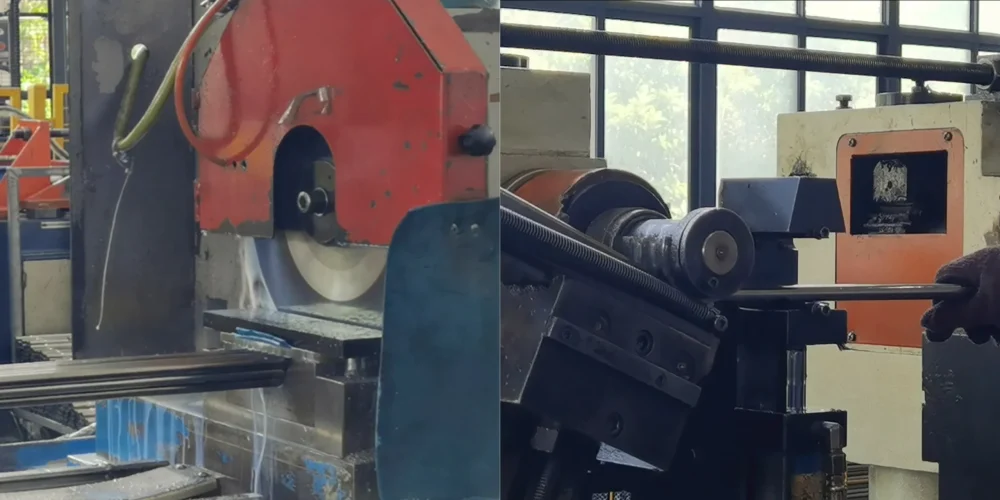
Integrated manufacturing helps create a more controlled and coordinated production environment by managing key production stages under one system.
For juvenile products, this may include:
- Tube cutting and metal fabrication
- Stamping and precision bending
- Robotic welding
- Injection molding
- Sewing and upholstery production
- Powder coating and surface finishing
- Assembly and quality inspection
When these processes operate within a connected manufacturing workflow, engineering adjustments can be implemented more efficiently and production coordination becomes significantly more stable.
For example, if a seat structure requires dimensional optimization after sample testing, internal engineering and tooling teams can quickly adjust production fixtures, molds, or welding parameters without relying on external suppliers.
Integrated production also improves consistency between components. In ride-on products, maintaining stable alignment between metal structures, wheel systems, and molded accessories is critical for riding balance and assembly efficiency.
From a manufacturing perspective, integrated systems also help reduce unnecessary lead time gaps between production stages, improving overall production scheduling and delivery reliability.
How Tooling Impacts Product Consistency
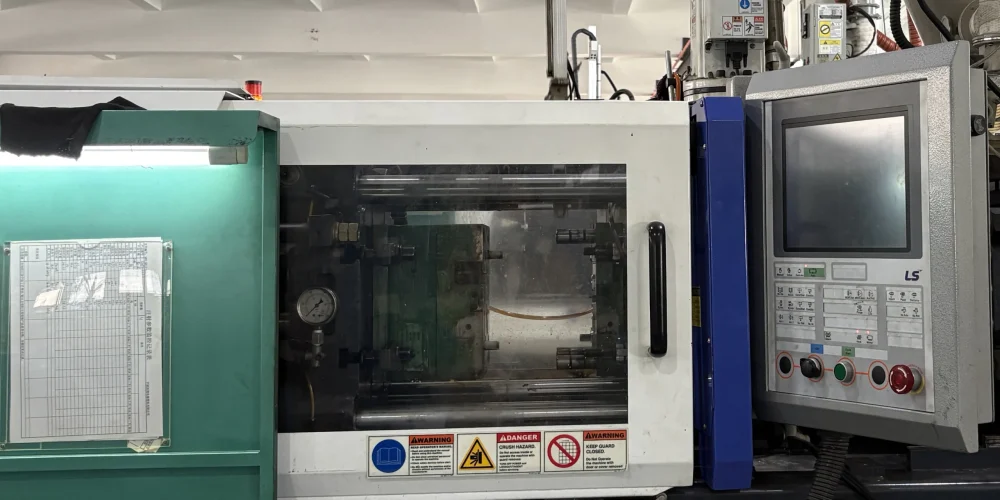
Tooling plays a critical role in determining long-term production stability, especially for juvenile products with structural assembly requirements.
In products such as balance bikes and tricycles, tooling precision directly affects frame geometry, assembly alignment, wheel positioning, and component compatibility.
Even small tooling inconsistencies can create cumulative production issues during mass manufacturing.
For example, inaccurate welding fixtures may lead to slight frame deviations that affect riding stability. In injection molding, inconsistent tooling tolerances can influence how plastic components fit against steel structures during final assembly.
Manufacturers with internal tooling development capabilities are often better positioned to maintain tighter production tolerances and improve consistency across large production volumes.
Tooling control also allows manufacturers to optimize products for manufacturability from the early development stage. This includes improving assembly efficiency, reducing unnecessary structural complexity, and enhancing packaging efficiency for transportation and storage.
For modern OEM projects, tooling capability is no longer simply a technical advantage — it has become an important part of ensuring stable long-term production quality.
Why Brands Are Shifting Toward Long-Term Manufacturing Partnerships
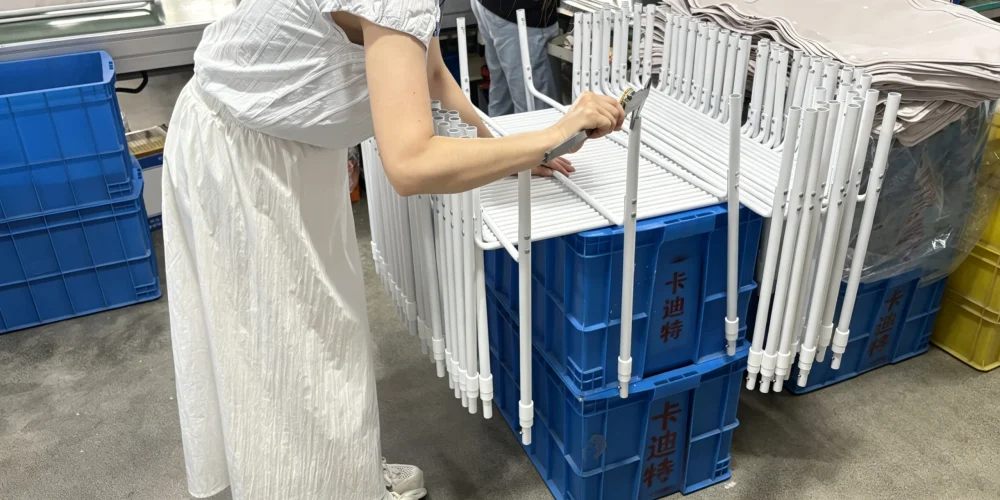
In recent years, many brands have realized that constantly changing suppliers often creates more instability than flexibility.
Modern OEM cooperation increasingly depends on communication efficiency, engineering collaboration, production transparency, and long-term operational consistency.
Rather than searching only for short-term pricing advantages, many juvenile product brands are prioritizing manufacturing partners that can provide:
- Stable production quality
- Reliable lead time management
- Integrated engineering support
- Consistent tooling control
- Flexible OEM & ODM development
- Scalable manufacturing capacity
This shift is especially important for products requiring structural reliability and consistent assembly quality.
For example, ride-on products designed for toddlers require careful control over frame stability, wheel alignment, and material durability to ensure both safety and long-term performance.
As global markets continue to evolve, integrated manufacturing is becoming less about factory size and more about production coordination, engineering capability, and long-term supply chain reliability.